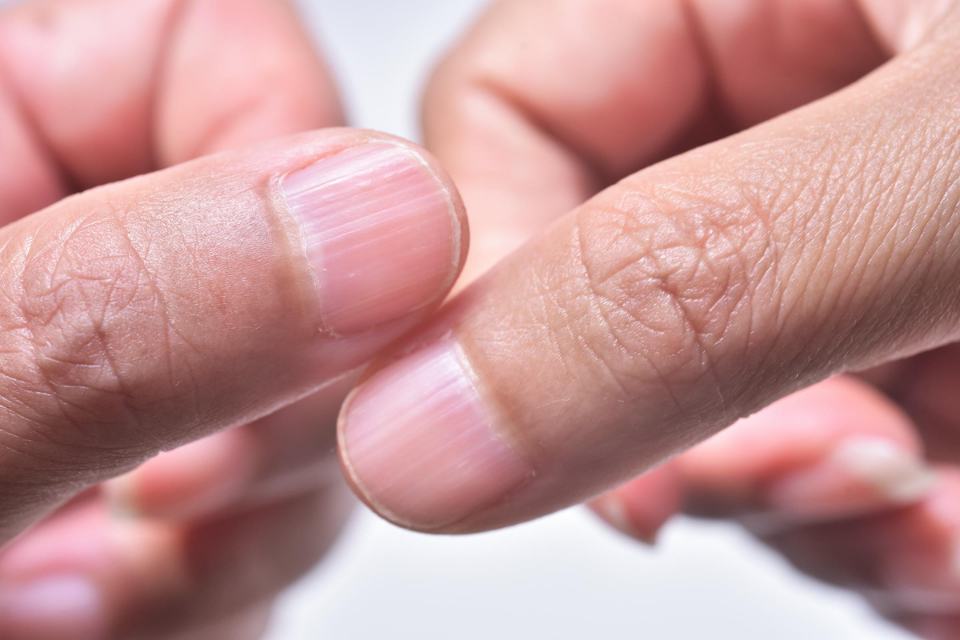
Our nails are often a window into our overall health. While we might wish for perfectly smooth, glossy surfaces, many of us notice fine lines or pronounced ridges appearing over time. Known as ridged nails, these vertical or horizontal lines are common and usually harmless, but understanding them is key to knowing when to simply buff and when to seek help.
What Causes Ridged Nails?
Ridges primarily form due to disruptions in nail growth at the matrix—the hidden area under your cuticle where new nail cells are made. Think of it like a production line: if the process is interrupted, the new nail plate might not form smoothly. The causes range from benign to more serious:
- Aging: The most common cause. Just as skin wrinkles with age, nail production naturally slows and becomes less even, leading to vertical ridges.
- Nutritional Deficiencies: Deficiencies in key vitamins and minerals like iron, zinc, biotin, and protein can impair keratin production, the building block of nails.
- Physical Trauma: Injuring the nail matrix or even just frequent, forceful manicuring can cause ridges. This includes habitual picking or pressing at the cuticles.
- Skin Conditions: Eczema and psoriasis, which affect skin cell growth, often impact the nail matrix, leading to pitting and ridging.
- Illness or Severe Stress: Any significant bodily stress—a high fever, surgery, chemotherapy, or intense emotional strain—can temporarily pause optimal nail growth, sometimes resulting in deep horizontal ridges called Beau’s lines.
- Underlying Medical Conditions: In some cases, ridges can signal conditions like thyroid disorders, diabetes, or peripheral vascular disease.
Types: Reading the Lines
Not all ridges are the same. Their direction tells a different story.
- Vertical Ridges: These run from the cuticle to the fingertip and are extremely common, especially with age. They resemble tiny, raised rail tracks and are often just a cosmetic sign of natural maturation.
- Horizontal Ridges: These are more noteworthy. They run side-to-side across the nail and indicate a specific event that temporarily halted nail growth. The deeper and more pronounced the line, the more severe the disruption. Multiple Beau’s lines can point to recurring illness.

Are Ridged Nails Harmful?
In themselves, ridges are not a disease. The primary “harm” for most people is cosmetic concern—nails may look less smooth, and polish might not apply evenly.
However, they can serve as an important warning sign. Sudden, pronounced horizontal ridges, ridges accompanied by major changes in nail color (like yellowing or dark streaks), thickening, or pain should not be ignored. These can be your body’s way of flagging an underlying health issue that needs attention.
Treatment: Smoothing the Way
Treatment focuses on the cause, not just the ridge.
1. For Aging or Mild Vertical Ridges: A simple buffing block can gently smooth the surface. Use it lightly in one direction to avoid thinning the nail. Keep nails moisturized with creams and oils.
2. Address Deficiencies: If a nutrient deficiency is suspected, a balanced diet rich in leafy greens, nuts, eggs, and lean proteins helps. A doctor may recommend specific supplements after a blood test.
3. Treat Underlying Conditions: Managing the root cause—like controlling eczema with a dermatologist’s help or regulating a thyroid condition—is the only way to resolve associated ridging.
4. Gentle Nail Care: Avoid harsh treatments, metal tools under the nails, and aggressive cuticle pushing. Let nails breathe between polishes.
Prevention: Nurturing Healthy Growth
While you can’t stop time, you can support optimal nail health to minimize problematic ridging.
- Hydrate and Nourish: Drink plenty of water and eat a nutrient-dense diet. Consider a daily moisturizing ritual for hands and nails.
- Protect Your Hands: Wear gloves for washing dishes or gardening to protect nails from chemicals and trauma.
- Practice Smart Manicures: Opt for gentle, non-acetone removers. Don’t cut or push cuticles aggressively; instead, gently push back softened cuticles after a shower.
- Listen to Your Body: Pay attention to other symptoms. Persistent, worrying nail changes combined with fatigue or other issues warrant a doctor’s visit.
In summary, ridged nails are usually just a sign of life being lived—whether it’s the passage of years or a past illness. By adopting gentle care habits and viewing pronounced changes as potential clues, we can keep our nails, and our overall health, in better shape. When in doubt, consulting a dermatologist is always the smoothest path forward.
Read also: Dry Feet in Summer: What Natural Solutions Are There?
