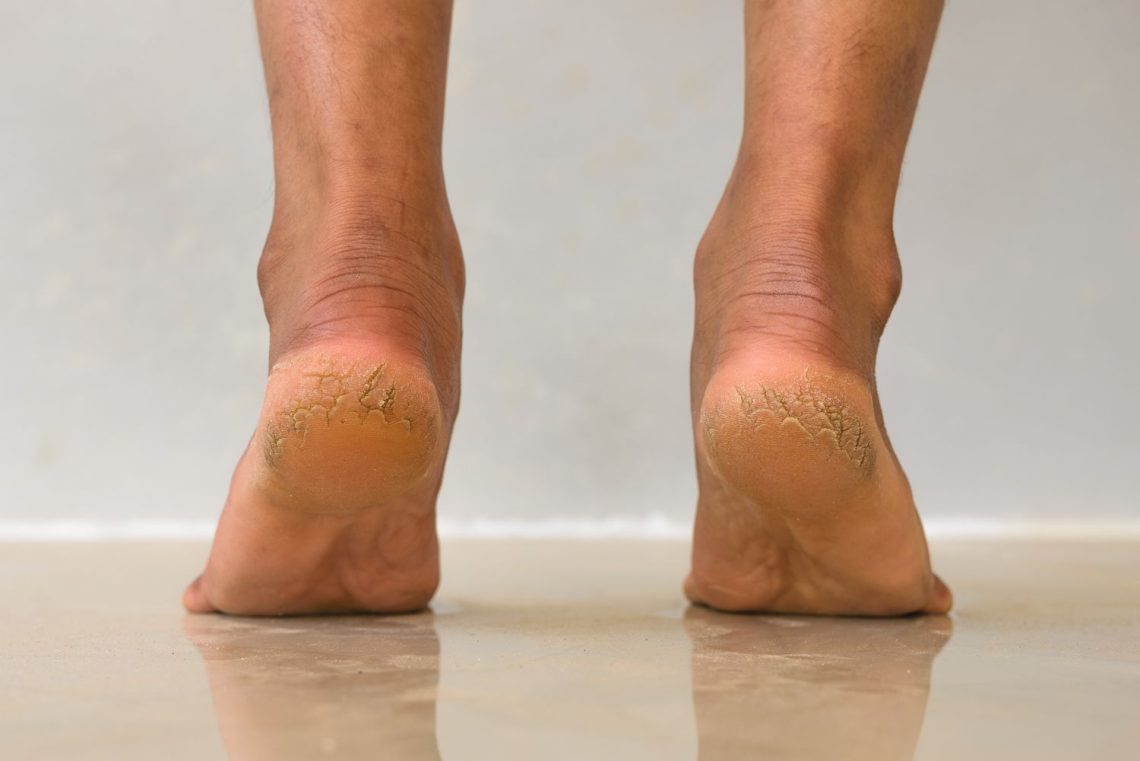
We sometimes tend to forget, but our feet are a very sensitive and yet oh-so-precious part of our body. Our feet support us in all our activities; they allow us to walk, run, and move around. When they are damaged or dry, they can become painful, and the simple act of moving can become difficult. So how can we care for them and avoid dry feet, especially in summer? We’ll tell you everything.
What are dry feet?
When the skin on our feet lacks moisture, it becomes less supple and more prone to damage caused by friction and pressure during walking or other activities. The most affected areas are often the heels, where the skin is thicker and more prone to cracking due to the buildup of pressure and the absence of sebaceous glands to naturally provide moisture.
In addition to the physical discomfort they cause, dry feet can also lead to health problems, such as cracked skin that can become infected if not treated properly. Therefore, taking care of your feet and preventing dry skin is essential to maintaining good overall health and fully enjoying the summer season.
Why do I have dry feet in the summer? The causes of dry skin
Summer may be many people’s favorite season, but this time of year isn’t kind to our bodies. Here’s a look at the factors that cause dry skin on our feet in the summer:
Heat and dehydration: In summer, temperatures rise, so it’s common to sweat and lose a lot of water. This dehydration is felt throughout the body, especially on the feet. To protect your skin from dehydration, it’s essential to drink plenty of water to compensate for water loss. Furthermore, since it’s hot, feet are more often bare and in direct contact with hot surfaces. The natural moisture content of the feet is then altered by the heat, leaving them dry and rough.
Sand, salt water, and chlorine: The arrival of warm weather means beaches, swimming, and warmth. While these summer pleasures are pleasant, they aren’t kind to our sensitive feet and can, in fact, aggravate dryness. Sand can be very abrasive on the skin, especially when it’s scalding hot. Salt water from the sea and chlorine from swimming pools also have drying effects that can strip our skin of its natural moisture. Walking barefoot in the sand, swimming in the ocean, or in a chlorinated pool can therefore damage the skin on our feet.
Outdoor activities, walking, swimming, etc.: Summer activities, such as walking, hiking, and swimming, can contribute to dehydrated feet. Prolonged walking can put pressure on the feet, leading to a buildup of calluses and dry skin. Similarly, swimming in chlorinated pools can dry out the skin on the feet, worsening dry skin.
What are the associated symptoms?
Dry feet aren’t just a cosmetic problem; they can also be painful and even rough. Here are the main signs of dry feet:
- Heels are painful: Dry skin can make heels particularly sensitive. When the skin on the heels is dehydrated, it loses its flexibility and becomes stiff. This can cause a feeling of tightness and pain, especially when walking or standing for long periods.
- Toes and heels are damaged: Dry feet can increase wear and abrasion of the skin on the toes and heels. Simply walking barefoot on rough surfaces, such as sand or hiking trails, can aggravate this condition. The skin on the toes and heels becomes rough, scaly, and can even develop calluses.
- They are prone to cracks and fissures: One of the most serious symptoms of dry feet is the appearance of cracks and fissures, particularly on the heels. Cracks can start as small, superficial cracks, but if left untreated, they can deepen and widen. Deep cracks can be extremely painful and even make walking difficult. They also pose a risk of infection, as bacteria and fungi can enter the skin through these openings. Eventually, infected cracks can be accompanied by redness, swelling, and pus, requiring a visit to the doctor.
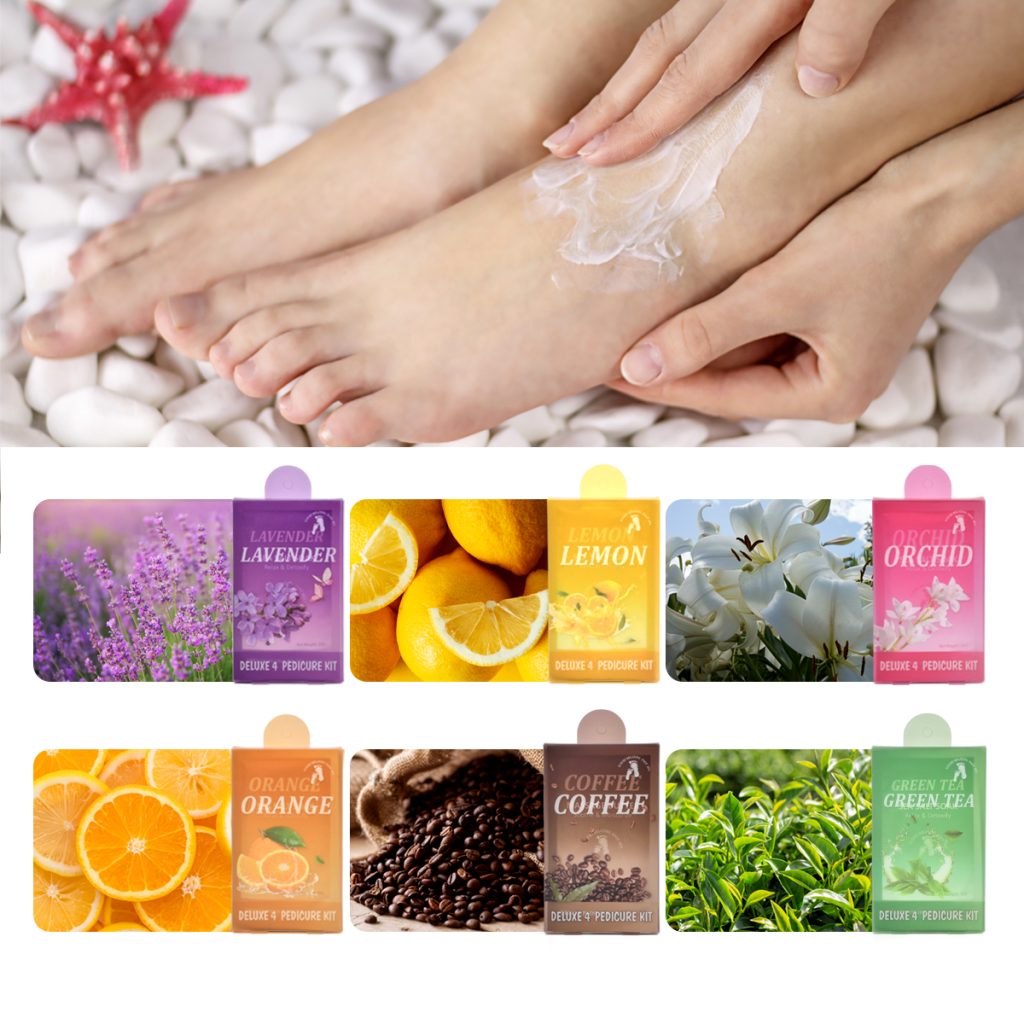
- Rough skin: The skin on dry feet tends to become rough and scaly. This rough texture is due to the accumulation of dead skin cells on the skin’s surface, which are not naturally shed due to a lack of moisture. This roughness is both unsightly and uncomfortable, accentuating the feeling of tightness. Using pedicure kit can help smooth the skin and prevent these minor irritations.
- Scaling: The skin on dry feet can tend to peel; this is called “desquamation.” This occurs when the surface layers of dead skin peel off, leaving behind sparse, unsightly skin. Scaling results from extreme dryness and a lack of moisture.
How to stop having dry feet? Good habits to adopt
If you’re planning on wearing pretty sandals this summer, here are some good habits to adopt to keep your feet looking their best:
1. Moisturize your feet daily: Moisturizing is key to preventing dry feet. Use a moisturizer rich in nourishing ingredients like shea butter, coconut oil, or sweet almond oil. Apply the cream every night before bed to allow for optimal absorption overnight.
2. Exfoliate your feet: Exfoliation helps remove dead skin cells and prevent the buildup of dry, rough skin. Use a gentle scrub once or twice a week. For stubborn calluses, use a pumice stone or foot file after bathing or showering, while the skin is still soft. This will help smooth rough areas without damaging the skin.
3. Alternate between open and closed (or semi-closed) shoes: Sandals and flip-flops expose your feet to dry air and the elements, which can worsen dryness. Opt for closed or semi-closed shoes to protect your feet.
4. Stay hydrated: Just like the skin on your face and body, a lack of hydration will affect the beauty of your feet. In summer, more than ever, we recommend drinking plenty of water, at least 1.5L per day. But the good news is that you can get plenty of water from your diet, so green light on watermelon, gazpacho, and vegetables!
By incorporating these good habits into your daily routine, you can prevent dry feet and maintain soft, healthy skin. Consistency and prevention are essential to keep your feet in perfect condition throughout the summer.
Precautions with Natural Solutions for Dry Feet
- Skin tolerance test: Before applying any natural solution to your feet, perform a skin tolerance test on a small area of skin to check for an allergic reaction or irritation.
- Moderate hydration: Use natural hydrating solutions sparingly. Applying too much product can make the skin slippery and potentially cause falls.
- Medical consultation: If you have deep cracks, persistent pain, or infections, consult a healthcare professional before using natural remedies.
